
We represent

Born in Romania in 1994, STRIGĀ left everything behind at eighteen to move to London, a city of noise, isolation, and reinvention. There she began shaping the project that would later bear her name: a hybrid witch, mixing fragility, emotion and distortion. Her voice, deep, cold, became the core of her identity. Between analog synthesizers and metallic reverbs, STRIGĀ crafts songs that sound like prayers whispered through static. Her music merges European coldwave, industrial electronica, and ritual minimalism, exploring power, control, and the fragile beauty of collapse. STRIGĀ is not a persona, but an exorcism — the sound of a human soul translated into circuitry.
THE ALBUM
Dark Invention is an album about the tension between divinity and decay, where machinery becomes sacred and the human body turns electric. STRIGĀ turns silence into ritual, distortion into confession. Each track exposes a different fracture of that transformation. Shattered Pulse opens the record like a heartbeat resurrected through static, a slow awakening of something once pure. Blood Mirage moves deeper into illusion and obsession, where desire becomes algorithmic. Cut Me Open explores the reconstruction of the self through the language of fabric and stitches — an intimate metaphor for liberation, sewing freedom into the wounds of identity. Iron Skin stands as the core statement of the album, a meditation on strength, violence, and survival within the digital flesh. Silver Dawn offers a rare glimpse of light, a cold serenity that feels almost divine before fading into the title track Dark Invention, where creation and self-destruction finally merge. Blood Moon Manifest closes the circle with an incantatory, almost magical energy, invoking both the feminine and the mechanical divine. The album’s sound is built on contrasts: analog warmth against surgical precision, human imperfection within mechanical perfection. Dark Invention is both invocation and erasure — the beauty of collapse rendered in metal and light.

Born in Russia in 1998, Ruby grew up in Los Angeles — halfway between exile and excess. Hollywood raised her better than any parent could: under the pink haze of Sunset Boulevard, between the ruins of fame and the fake smiles of the Chateau Marmont, where she practi- cally lived as a teenager. Maybe that’s why she hates humanity — she’s seen too much of its performance.
Ruby calls herself a trash princess, though the title feels almost ironic. With her, “trash” is never forced — it’s instinctive, elegant even. She wears chaos like a dia- mond dress and turns decadence into discipline. Her music mirrors her: sharp, venomous, wired with irony.
A child of overexposure, Ruby doesn’t seek redemp- tion; she stages her downfall and makes it look divine. Every song feels like a confession wrapped in glitter and blood, every word a way to prove that she can turn ruin into something holy.
Effortlessly destructive, uncomfortably real — Ruby is what happens when the dream factory burns and someone keeps singing through the smoke.
THE ALBUM
American Tragedy is Ruby’s scorched love letter to the broken dream. Across ten venomous tracks, she dissects fame, beauty, addiction, and the cult of perfection with irony as sharp as a blade. The album plays like a dark pageant — a series of twisted prom nights, televised meltdowns, and suburban funerals dressed in glitter.
From the cynical disco-punk of “Welcome to the Drama Club” to the scorched anthem “American Tragedy”, Ruby stages the collapse of modern America as a glamorous disaster. Every song feeds on contra- diction: rage wrapped in gloss, despair turned into spectacle. She is the cheerleader of decay, the icon who knows she’s rotting, and still smiles for the lens.
The result is an album that’s both seductive and cruel — a concept pie- ce where pop burns itself alive. American Tragedy isn’t Ruby’s confes- sion; it’s her coronation.

Born in Paris in 1989, Soreynn grew up haunted by the echoes of a world already collapsing, the nuclear fears, the plastic dreams, the cold glow of the 80s still lingering in every reflection. Her music carries that tension: the tenderness of ruin, the beauty of what fades. Between English and French, her voice wavers like a memory, soft, fragile, yet unyielding. She sings as if tracing the border between fear and grace, between a past that never ended and a future too uncertain to imagine.
THE ALBUM
Silent Empire unfolds like a requiem for control and a love letter to the fractures that make us real. Across luminous synths and shadowed rhythms, Soreynn builds a world where silence breathes and collapse becomes beauty. The album draws its pulse from the 80s, its analog glow, its melancholy glamour, but turns it into something raw and contemporary. It’s nostalgic yet forward-looking, dark yet pierced by sudden grace. Each track feels like a fragment of survival, a shimmer of light caught in the ruins.

Born in 1993 in Strasbourg, David Marcelet — known as SANDRE — crafts a sensual and introspective form of coldwave, echoing the legacy of Depeche Mode, The Cure and Lebanon Hanover. His minimalist synths, dry drum machines and detached low voice explore desire, masculinity and homoerotic tension in a direct, contemporary way. Hier doesn’t chase nostalgia — he uses it as raw material to build a world that’s intimate, confrontational and unmistakably modern.
THE ALBUM
With Lumière club, SANDRE delivers a record both carnal and spectral, where electronic coldness becomes the surface of an inner burn. Born from the body, from longing and the vertigo of desire, the album confronts queer sexuality, addiction, and the fluidity of identity through a contemporary, sensual form of coldwave. Darkness here is never decoration — it’s a mirror. It reflects the tension between inherited shame and the act of becoming. The machines breathe, the skin speaks, and light cuts through the fog with quiet precision.
Each track follows SANDRE’s emotional trajectory: awakening desire (Encore un peu), falling into addiction (Extase Mineur), melancholic euphoria (Ton Église Vide), brutal intimacy and body surrender (Soft Damage), desire turned into rhythm (Lumière Club), childhood ghosts (L’Enfant de Horde), and finally, rebirth (Je veux être flamme). The closing duet, Divine Fracture featuring Striga, seals the journey — a dialogue between feminine and masculine forces, between shadow and release, where opposites collapse into harmony. Flamme burns without consuming. It’s a sensual, lucid record about contact, vulnerability, and the quiet fire that refuses to die.

Born in 2004, Liza grew up in the static glow of early screens, somewhere between a real place and a digital mirage. Her story feels uploaded rather than told — fragments of cities, nights without sleep, reflections that hum instead of speaking. She composes like someone decoding herself, blending industrial textures, R’n’B fragments, and synthetic noise into something hauntingly human. Her music isn’t about perfection but about presence — the beauty of er- rors, the warmth of distortion, the sensuality of the machine. Liza doesn’t belong to one world; she glitches between them, calm and electric. When asked who she really is, she usually replies, “I’m still buffering.”
THE ALBUM
Body Error is an electronic requiem for the digital age — a collision of flesh, desire, and code. Across ten tracks, the artist explores what it means to feel human in a system built to erase emo- tion. The album shifts between cold industrial beats, fragile R’n’B melodies, and glitch textures that breathe like machines learning to ache.
It’s an experience both intimate and mechanical; a body dissolving through the lens of technolo- gy. Each track is a fragment of identity rewritten — from Iron Halo’s metallic devotion to Mirrorless’ fragile acceptance and Flesh Circuit’s desperate cry for humanity.
Body Error isn’t about perfection. It’s about malfunction — the poetry of a broken system still ca- pable of feeling.
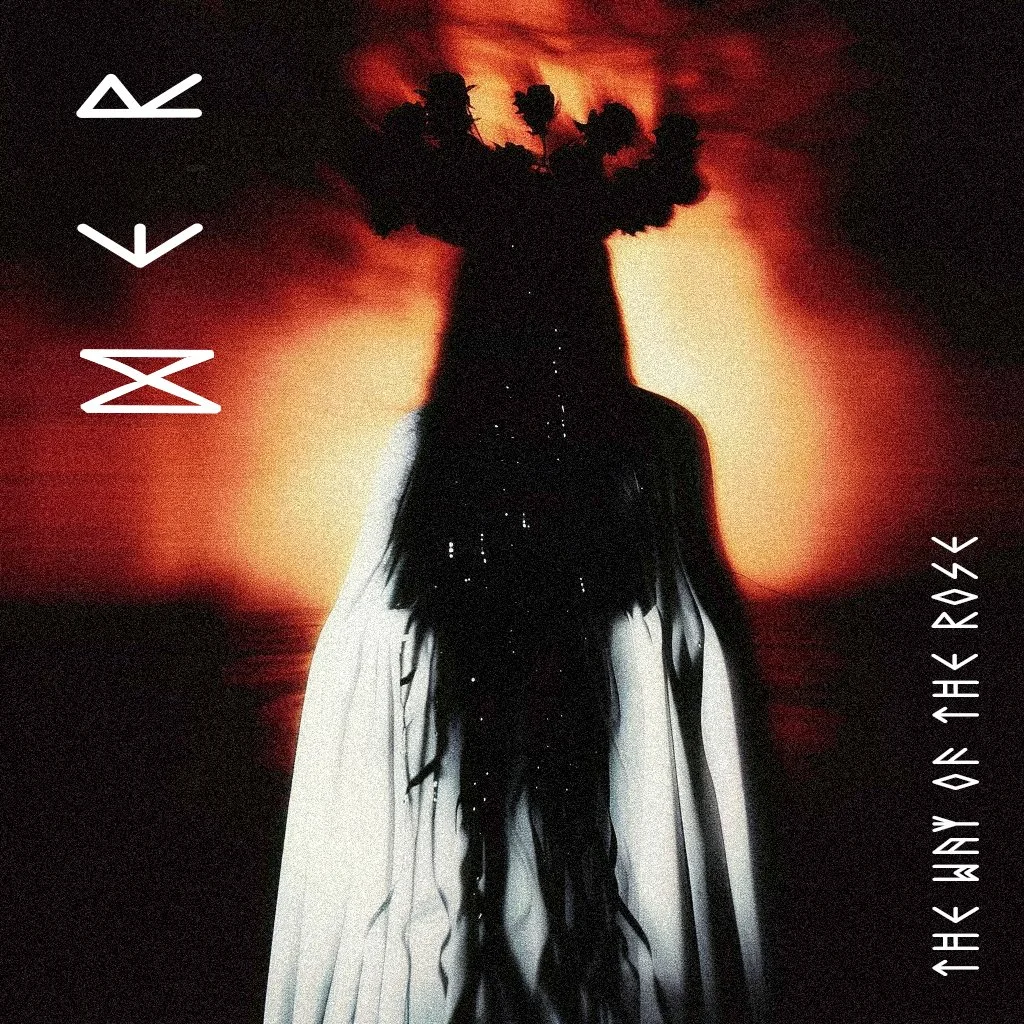
The Way of the Rose traces the complete spiritual metamorphosis of the divine feminine, here embodied by "ᛞER"... a title representing the ancient ways of water goddesses from temple lineages. This journey echoes the Magdalene's path, understood in Rose Line traditions. Her fated connection catalysing and mirroring, her own awakening, remembrance, and wholeness. Love is both the question and the answer, the wound and the healing, the journey and the destination. Through passion, pain, and loss, she remembers her divinity and steps into her mission as a healer, artist, and sacred vessel.
The rose blooms, burns, and blooms again. Fire meets water. Shadow meets light. And through it all, she becomes whole.
Contact Us
Interested in working together? Fill out some info and we will be in touch shortly. We can’t wait to hear from you!